The making
A flask to keep. A tray with no foam.
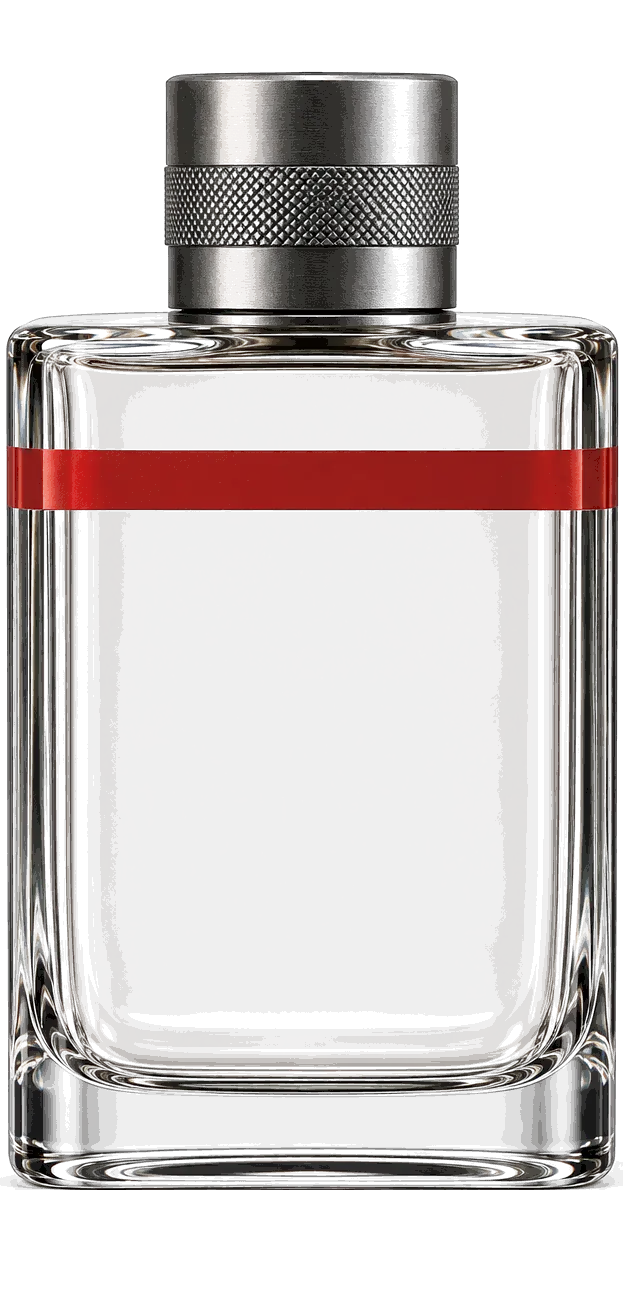
The object, as it was specified for the bottle maker in September 2026. The finished pieces are photographed when they exist.
The pieces
Seven parts, and nothing to throw away.
- The flask
- 50 ml, 62 × 96 × 34 mm. A D-section: flat at the front, curved at the back, so it sits against the palm. Clear glass with a single red band. The front carries the house name, the edition’s number and name, and a date line.
- The vial
- 2 ml, 14 × 58 mm. The same D-section, the same band and the same cap as the flask, small enough to carry. It is the free vial in every order and the unit of the discovery set.
- The cap
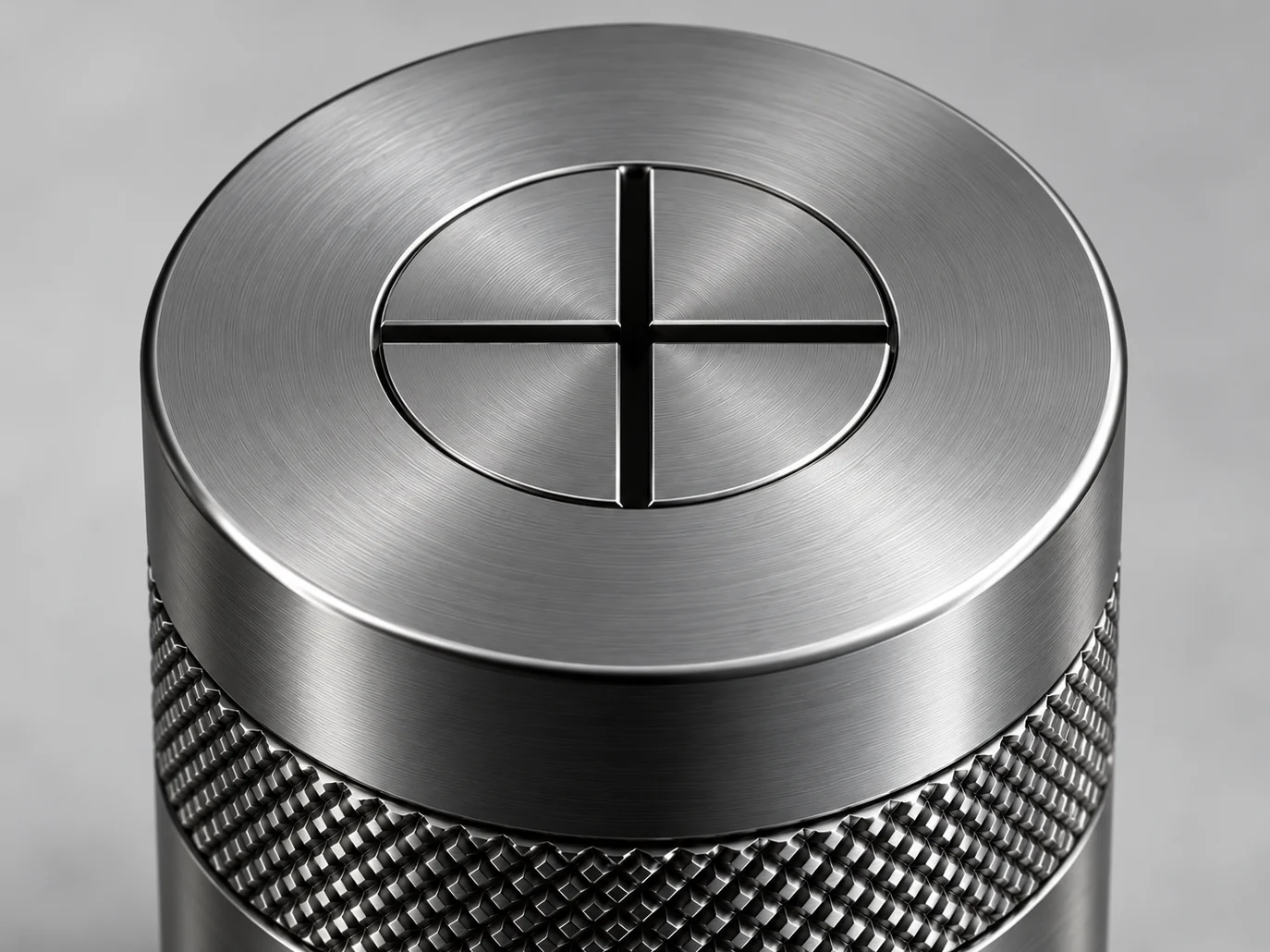
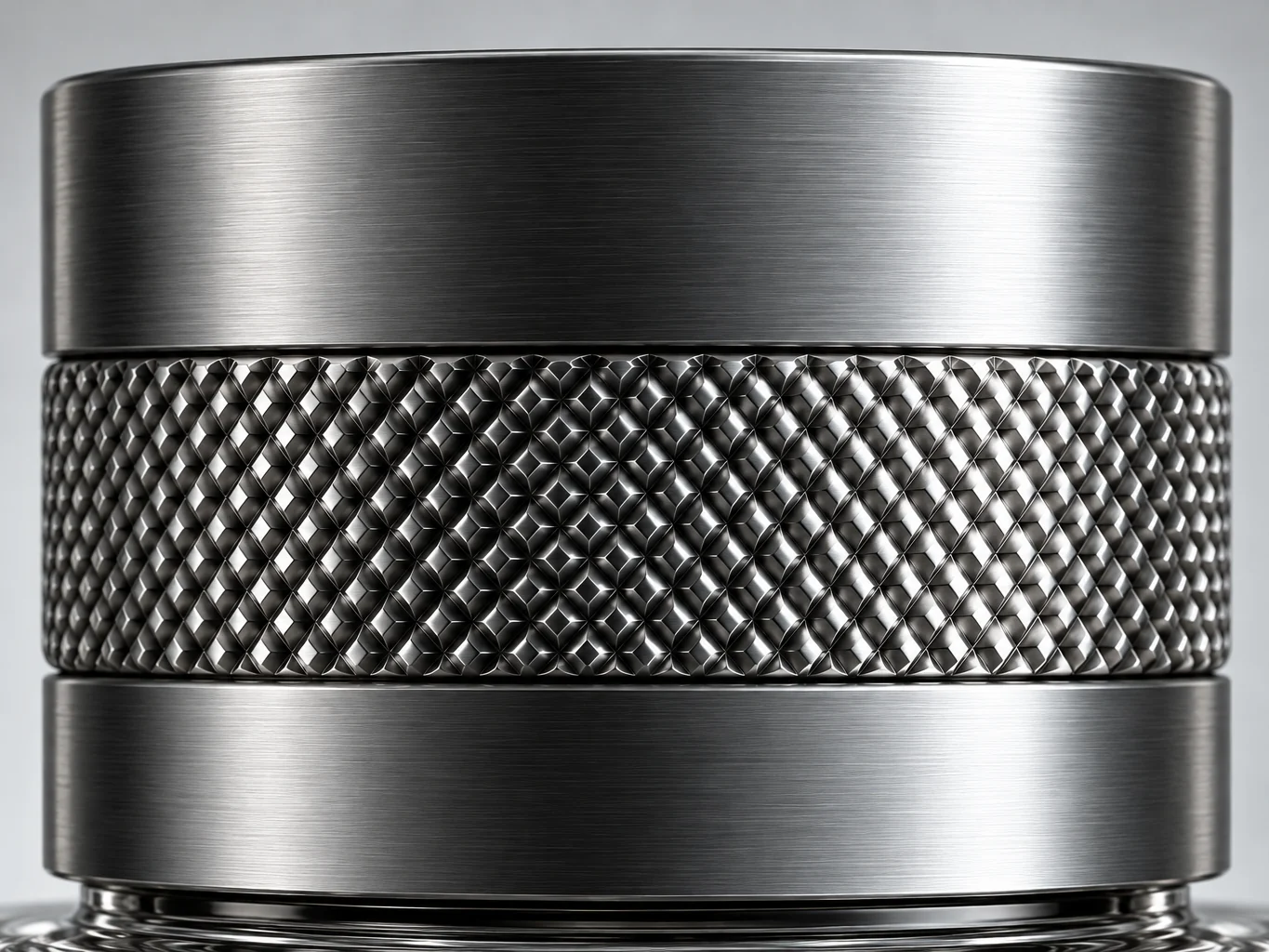
- Machined, with a knurled grip on the side and the house mark engraved on top. One design for both sizes.
- The tray
- 128 × 96 × 46 mm. No lid and no foam. The flask, a 2 ml vial and a folded sheet sit in it, with the strips underneath.
- The sheet
- A3, cross-folded. The edition’s details, written out once, on paper you can keep.
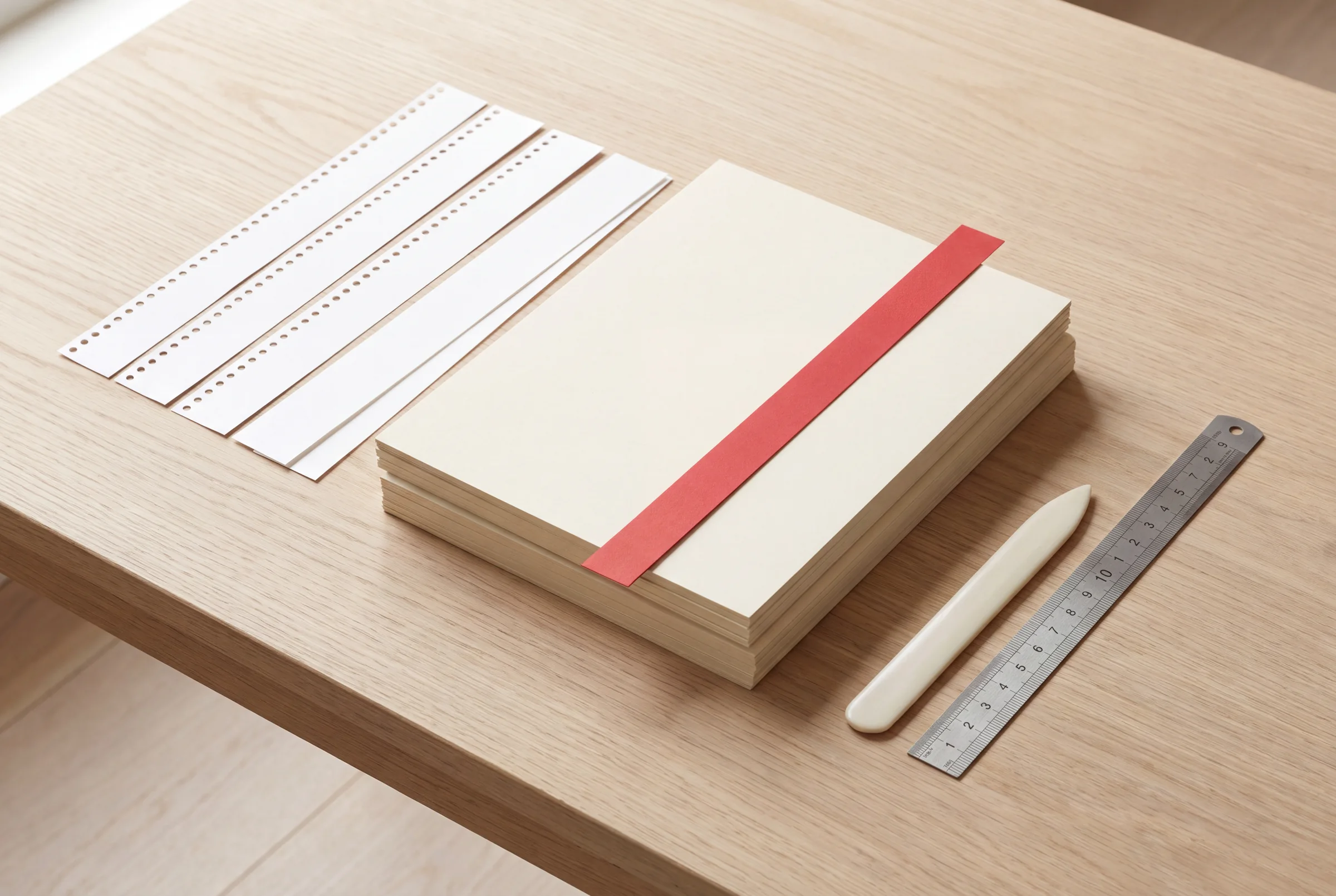
- The strips
- Five paper strips, 180 × 44 mm, perforated to tear apart and marked in hours — so you can smell what is still there at the second hour, and the sixth.
- The sleeve
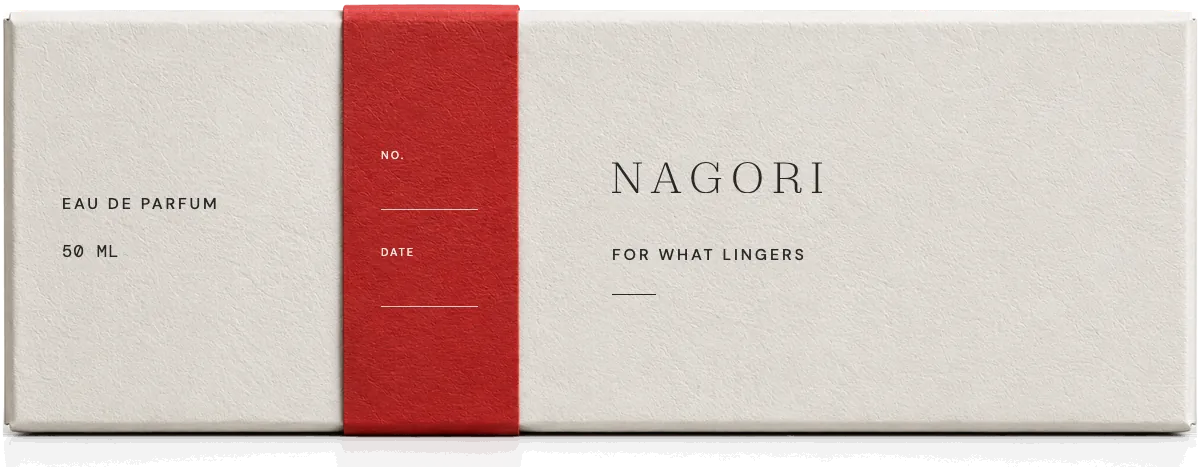
- Uncoated 300 gsm paper, sealed by a band that is numbered and dated by hand and perforated to open.
The opening
No lid to lift.
The band tears along its perforation and the sleeve slides off. There is no lid to lift: the flask, the vial and the folded sheet are right there, and the five strips sit underneath. Nothing is wrapped in foam, and nothing needs throwing away before you reach the bottle.
Five colours, and no more, on every piece: a warm paper white, ink, a single red line, graphite for the smaller type, and a pale rule. Uncoated paper throughout, so nothing is glossy and nothing is laminated.
Where the founding batch stands
The founding batch is the first: the five bottled together for the first time, each band numbered and dated by hand. This is where it stands.
- DoneThe flaskSpecified, September 2026
- Under wayThe fiveBeing composed for the house
- Under wayThe bottle dieBeing made
- Under wayThe packagingBeing designed
- NextFilling and numberingEach band numbered and dated by hand
- NextThe first batchNo date yet
As it stands on 19 September 2026. As each step is done this list moves, and the page gains the photographs, the batch details and where each piece is made.
None of the five is bottled yet. Each is being composed for the house, to its brief, by a perfumer the house does not name. The bottle die is being made and the packaging designed; filling and numbering come next. Until then, reserving is a registration of interest only, and no payment is taken.