

For what lingers.
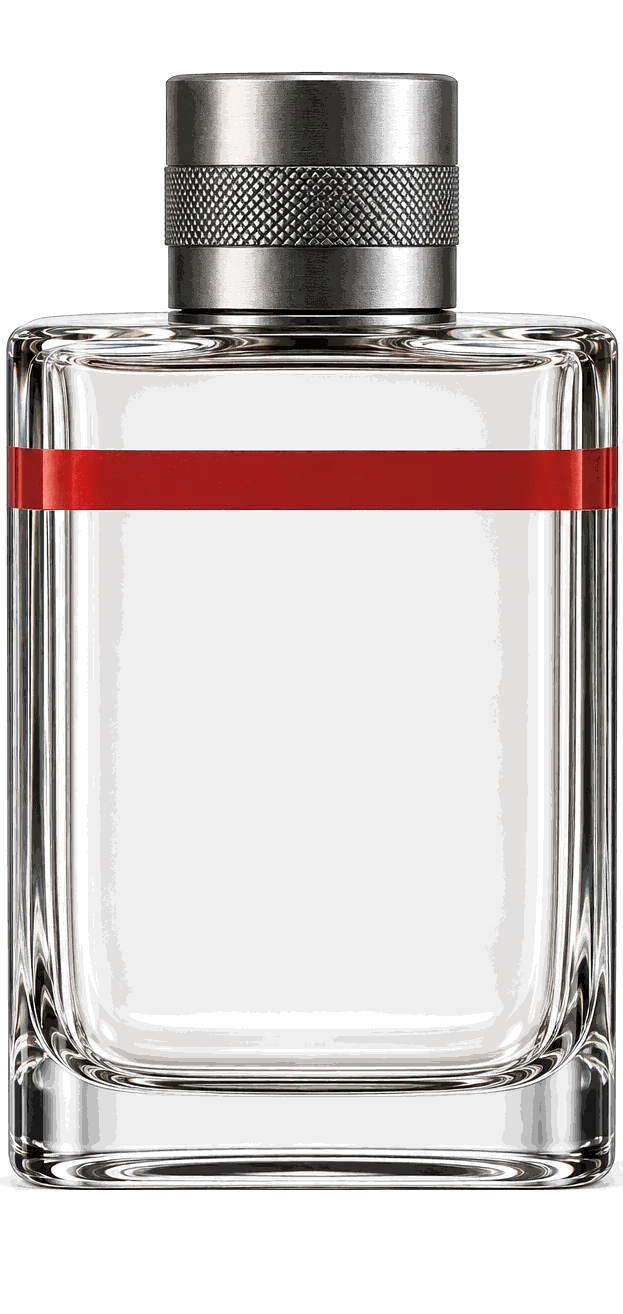
Discover the fiveMost perfume is built for the first ten minutes. Nagori is built for what stays.
Five editions · Eau de parfum · New Delhi
The collection
View all five-
-
-
-
-
Not sure where to begin?
Four questions. One place to start.
1 / 4 What do you notice still there, after?
The discovery set
Don’t choose a perfume in ten minutes.
Wear one a day for five days, then choose. Two millilitres of each edition; ₹500 of it comes off a 50 ml bottle within 60 days of delivery.
Registration of interest only. When the first batch is bottled, the house writes to you by email and on WhatsApp, and you pay only if you say yes.
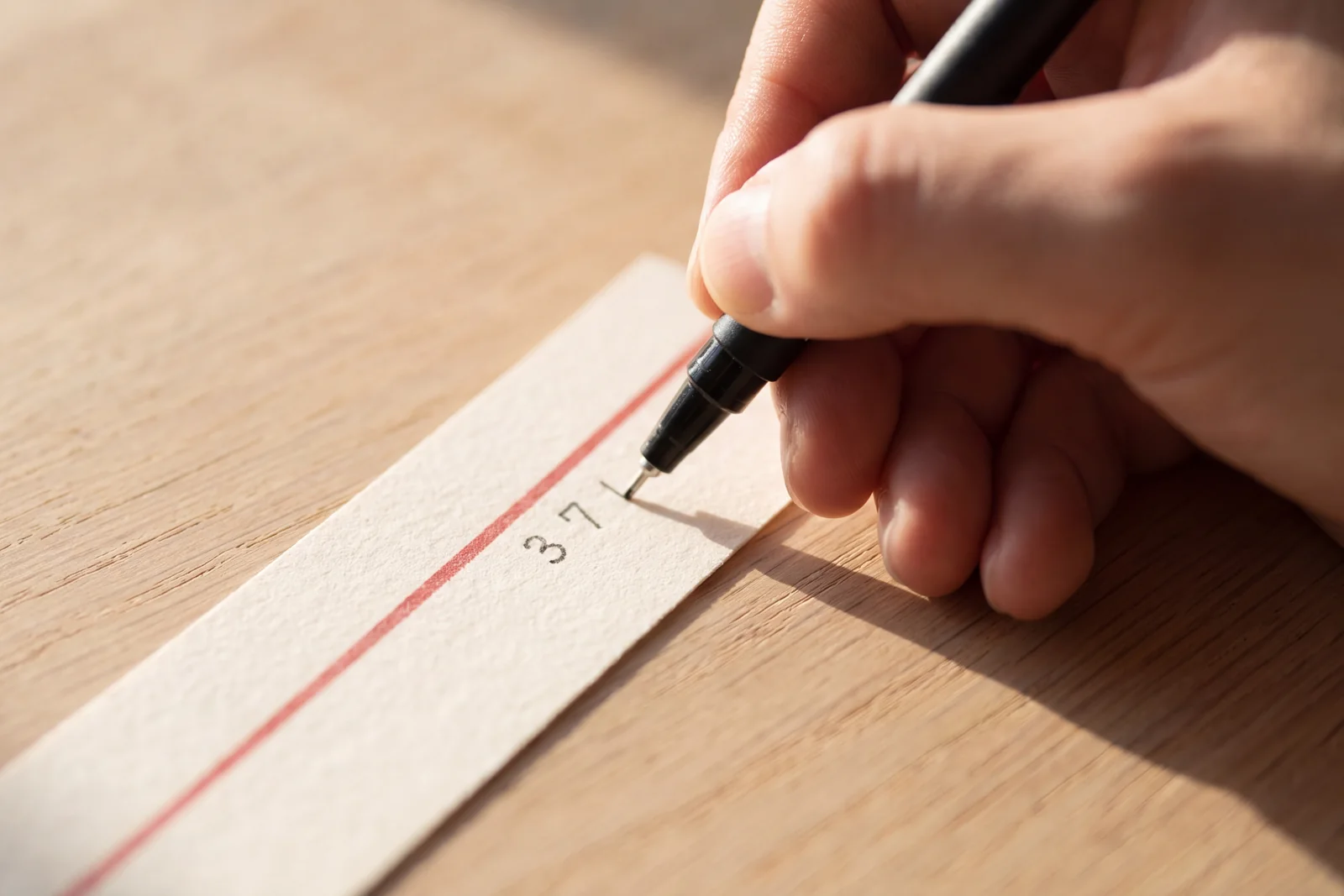
Every bottle, recorded
Numbered and dated by hand.
Each sleeve closes with a perforated band. Its number and its date are written by hand.
- Edition
- 003 · Burning Slow
- Concentration
- Eau de parfum · 50 ml
- Batch no.
- Written by hand
- Dated
- Written by hand